
Hello world!
16 July 2019Hello world!
4 October 2025
In this section, we’ll look at scenes that didn’t make it into the final version of the film.
Although Hook was already considered long for its time, there are several reasons why scenes may be cut during editing:
- Length: Films need to fit within typical theater schedules. If a film runs too long, some scenes will be removed. The theatrical release of Hook in December 1991 runs 136 minutes, but we know a longer cut (around 176 minutes) was tested on November 9, 1991, at the AMC Glen Lakes 8 Theatre in Dallas.
- Pacing: Good pacing is essential to keep the audience engaged. If a scene slows the momentum or doesn’t hold attention, it may be cut.
- Continuity: Scenes that don’t fit smoothly into the overall story, or that don’t contribute to the central plot, are often removed or reworked to improve flow.
- Quality: If a scene doesn’t land artistically or fails to support the narrative, it might be dropped.
- Budget: Some scenes, especially those requiring costly effects, may be cut if the production needs to stay within budget.
It’s not always clear why each scene was removed, but we do know that Hook faced a number of production challenges. The shoot, originally planned for 76 days, ended up lasting 116. The budget, too, increased dramatically—from an estimated $48 million to $80 million by the end of production. This was likely due to shifting creative decisions, including additional shooting and reshoots. We’ll try to explore these developments throughout this section.
Sources for the narration:
The following sources helped us reconstruct the content and context of the removed scenes:
- Terry Brooks' novelization: Published one month before the film’s release, this adaptation is based on a version of the script and includes several scenes that didn’t appear in the final cut. Brooks had access to the screenplay but received limited support from the production team. His book remains the most accessible and detailed source for understanding these deleted scenes. It was translated into many languages and is still easy to find today.
- Marvel's comic book adaptation: Released in early 1992 and overseen by Charles Vess, this comic book adaptation is another major source. It provides a visual version of the story and includes some content not present in the final film. It’s also fairly easy to find!
- Scripts: Unlike the previous two sources, which were created for the public, the scripts are internal production documents. They’re more difficult to find, but when a scene isn’t mentioned in the novel or the comic, we turn to the script for details.
Sources for the visuals:
We’ve also gathered several types of visual material that provide insight into these missing scenes :
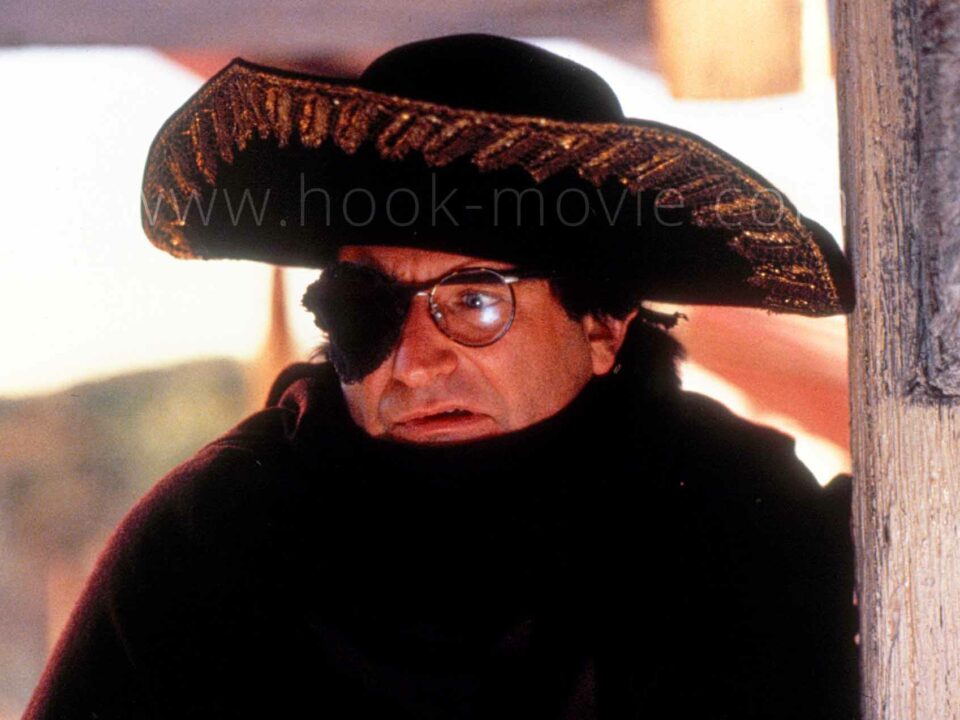
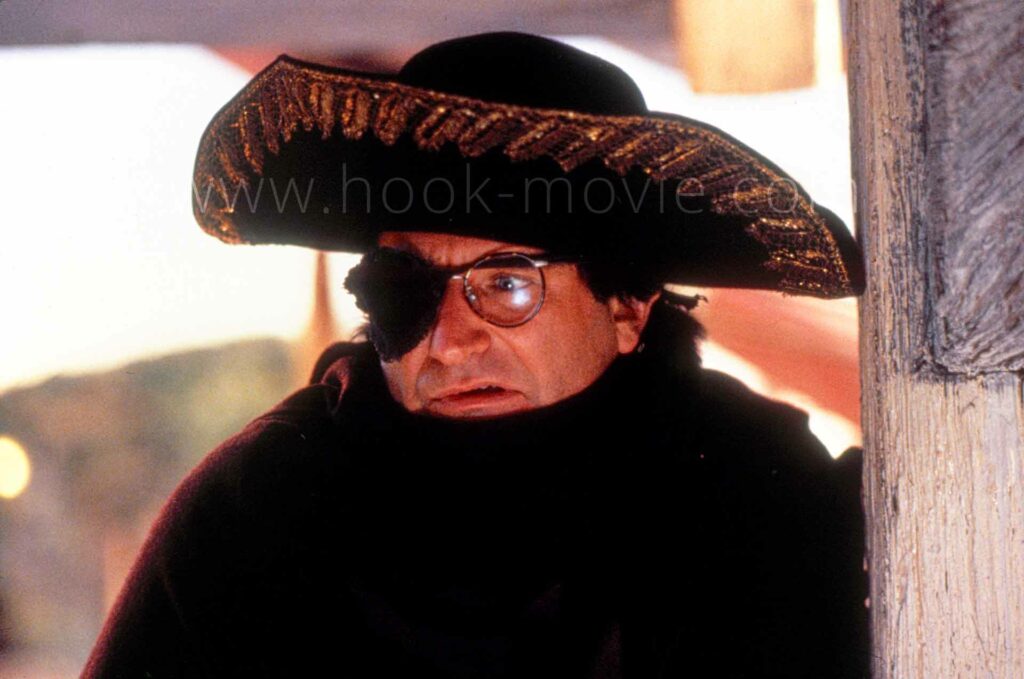
- Film stills: These are promotional photos distributed by the studio, mostly taken by on-set photographer Murray Close. An estimated 20,000 stills exist. They may be in slide format or printed on photographic paper and included in press kits.
- Production documents: Any materials created for internal use during filming can help clarify the nature and placement of certain deleted scenes.
- Merchandise: Some promotional images appear in merchandise such as trading cards—particularly Topps cards or the Aston cards released in Spain. In cases where slides or prints are unavailable, we rely on scanned images from these products.
- Magazines and newspapers: Some stills were used in press coverage at the time of release. We’ve sourced certain images from these publications.
- Illustrations: In some cases, illustrations were used in merchandising, often for legal reasons, especially when the likenesses of the actors couldn’t be used on specific products.
A note on image quality:
Some of the visuals presented here are low-resolution or rare, and we haven’t been able to locate better versions yet. For now, we include them as they are. We also watermark these images with the name of our website, not to claim ownership, but to protect the research and discourage unauthorized reuse.
We would prefer not to, but unfortunately, we have identified that some of our original scans have already been reprinted in books and magazines without credit.